
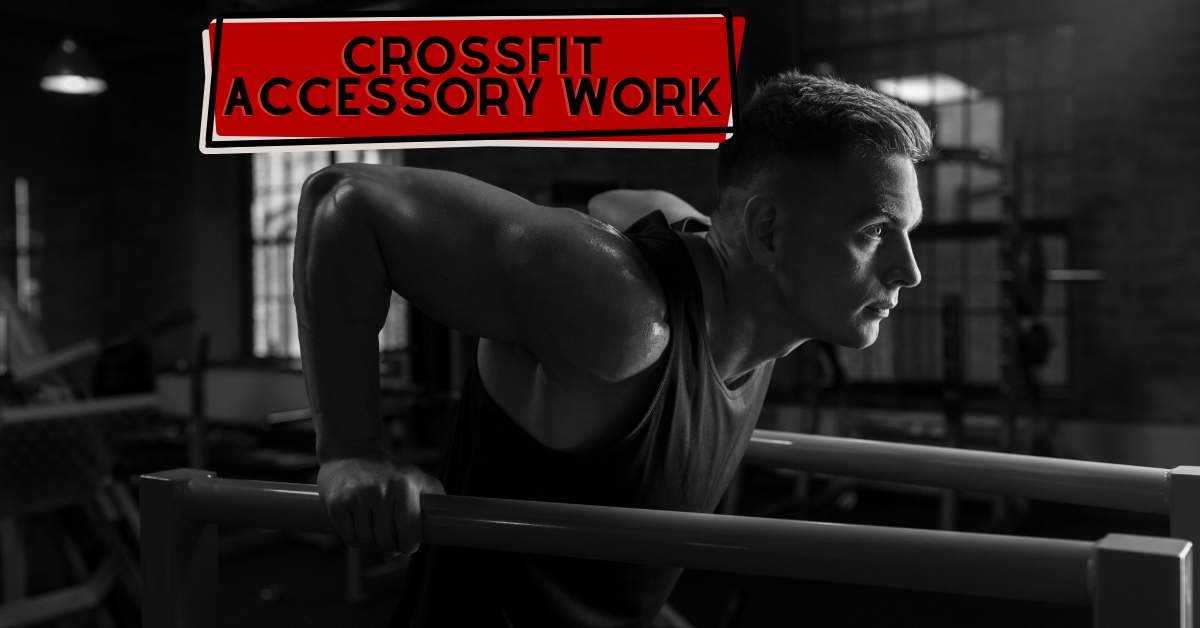
You check your programming for the day’s session and are stoked.
Strict handstand push-ups, again!
You love handstand push-ups…they’re soooo easy!
But then you check the second part of the workout…bar muscle-ups.
You hate bar muscle-ups…they’re sooo hard!
Wouldn’t workouts be more fun if nothing was “sooo hard”?
You betcha!
If you’re serious about making this improvement, it might be time to lay off the handstand push-ups and to push your CrossFit accessory work into overdrive!
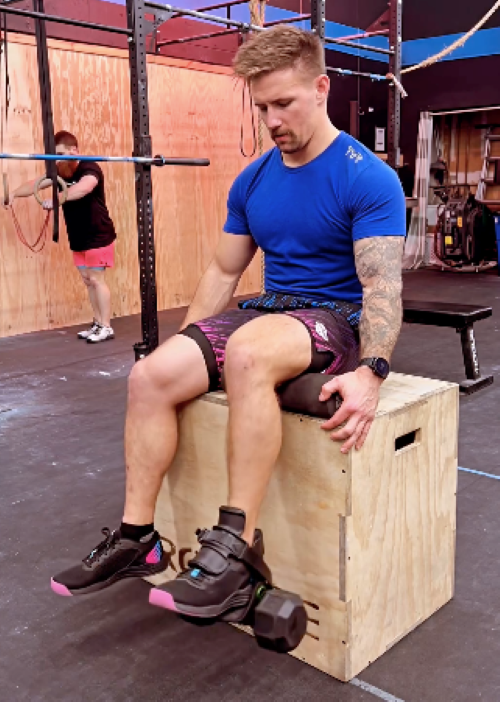
Let’s take a look at what CrossFit accessory work really is, what it can do for you, and some of the best accessory exercises are.
Table of Contents
Benefits of CrossFit Accessory Work
In a way, a lot of CrossFit exercises can be classified as accessory movements. Depending on the workout, a movement that is usually classified as CrossFit accessory work might be the required movement.
By incorporating CrossFit accessory work into programming, you enjoy two related, yet distinct benefits:
1. The direct benefit of the exercise (doing strict pull-ups help us to get better at strict pull-ups).
2. The supporting benefit of the exercise (doing strict pull-ups helps to develop better body awareness and strength which will improve our kipping and butterfly pull-ups).
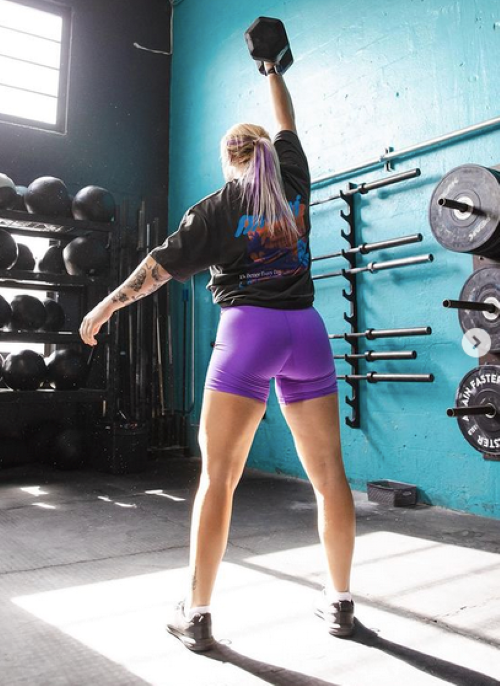
Accessory work has the potential to be extremely efficient when programmed appropriately. The result is movement-specific improvements, oftentimes for multiple exercises.
An example of this the pull-up bar dead hang. Dangling from the bar for :30-second intervals doesn’t seem like it would be doing much to help your deadlift, or any other lift for that matter.
For many athletes, grip strength is a major weakness. Heavy deadlifts attempts are missed even though the overall strength needed is there.
Athletes prematurely drop off the bar in big sets of butterfly pull-ups because their forearms are on fire.